What Clogged Gutters Actually Do to Your House
By MATCHWORK™ Roofing & Exteriors ·
Your gutters have one job: catch the water coming off your roof and carry it away from the house. When they are full of leaves, they cannot do it, and the water finds its own way down.
Here is where that water goes, photographed on real Central Ohio homes, and why fall is the time to deal with it.
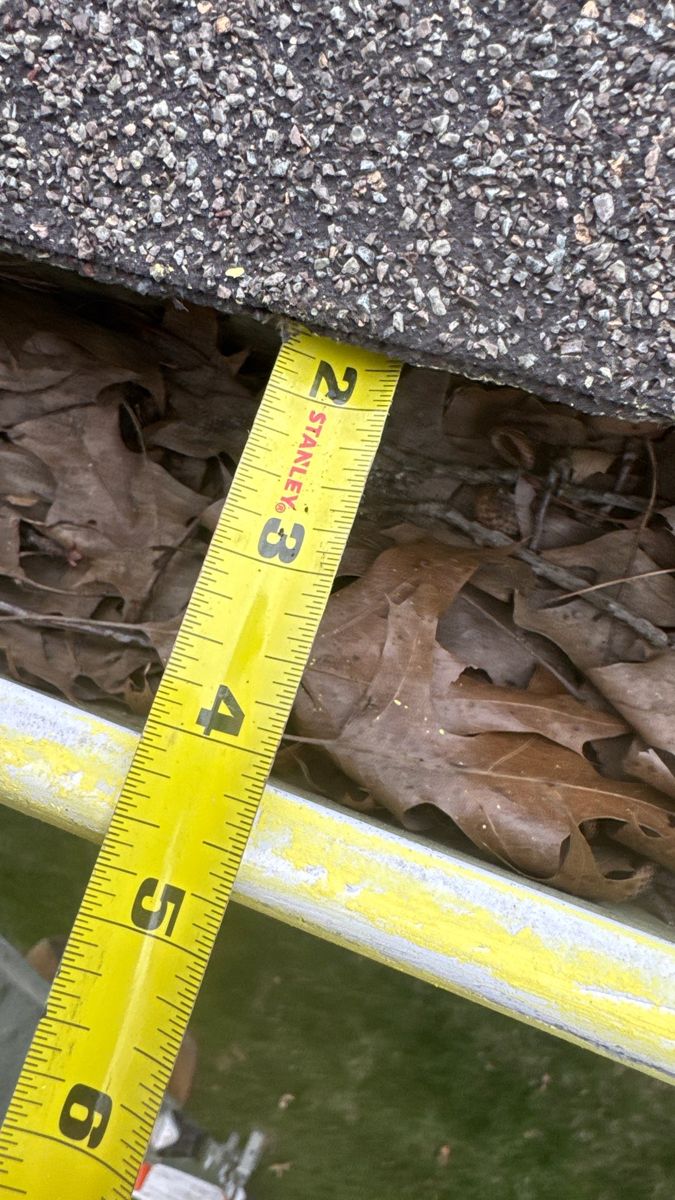
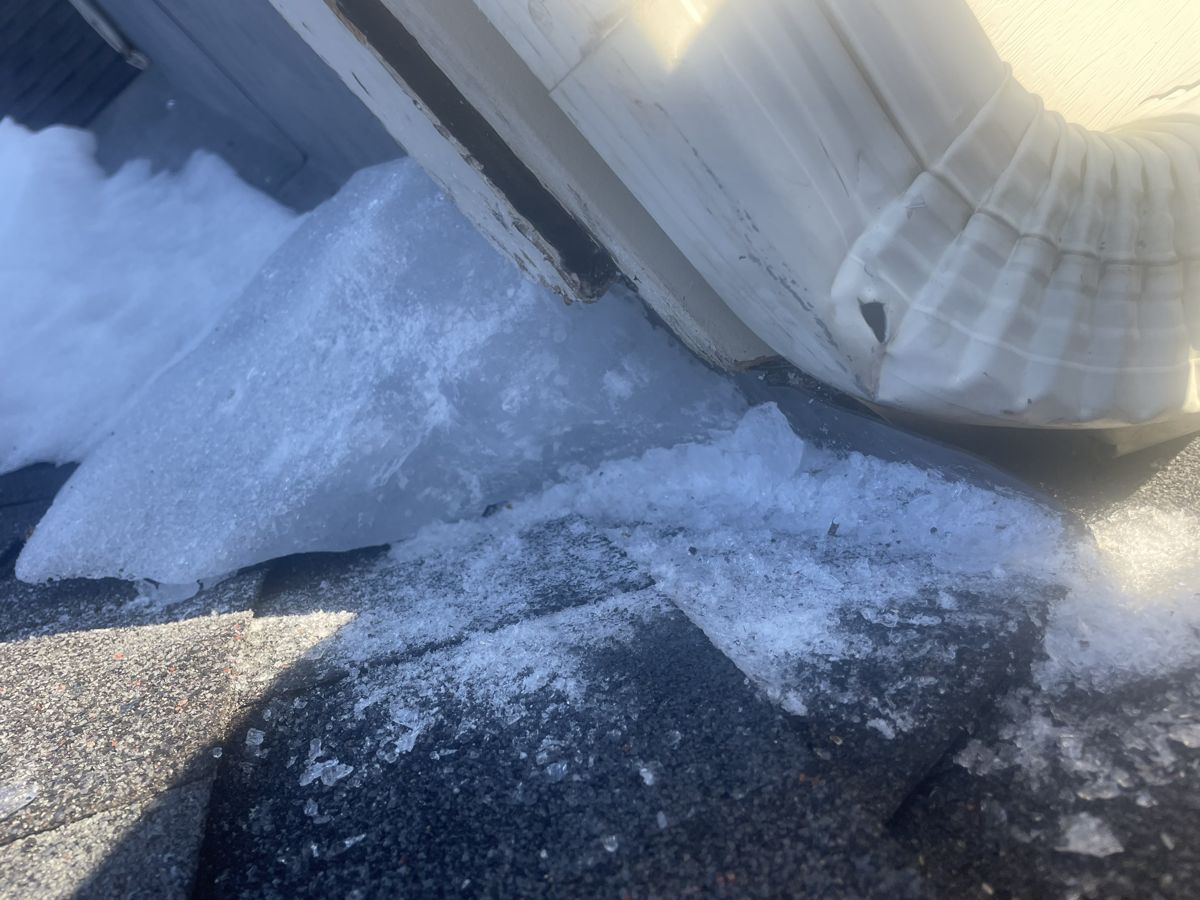
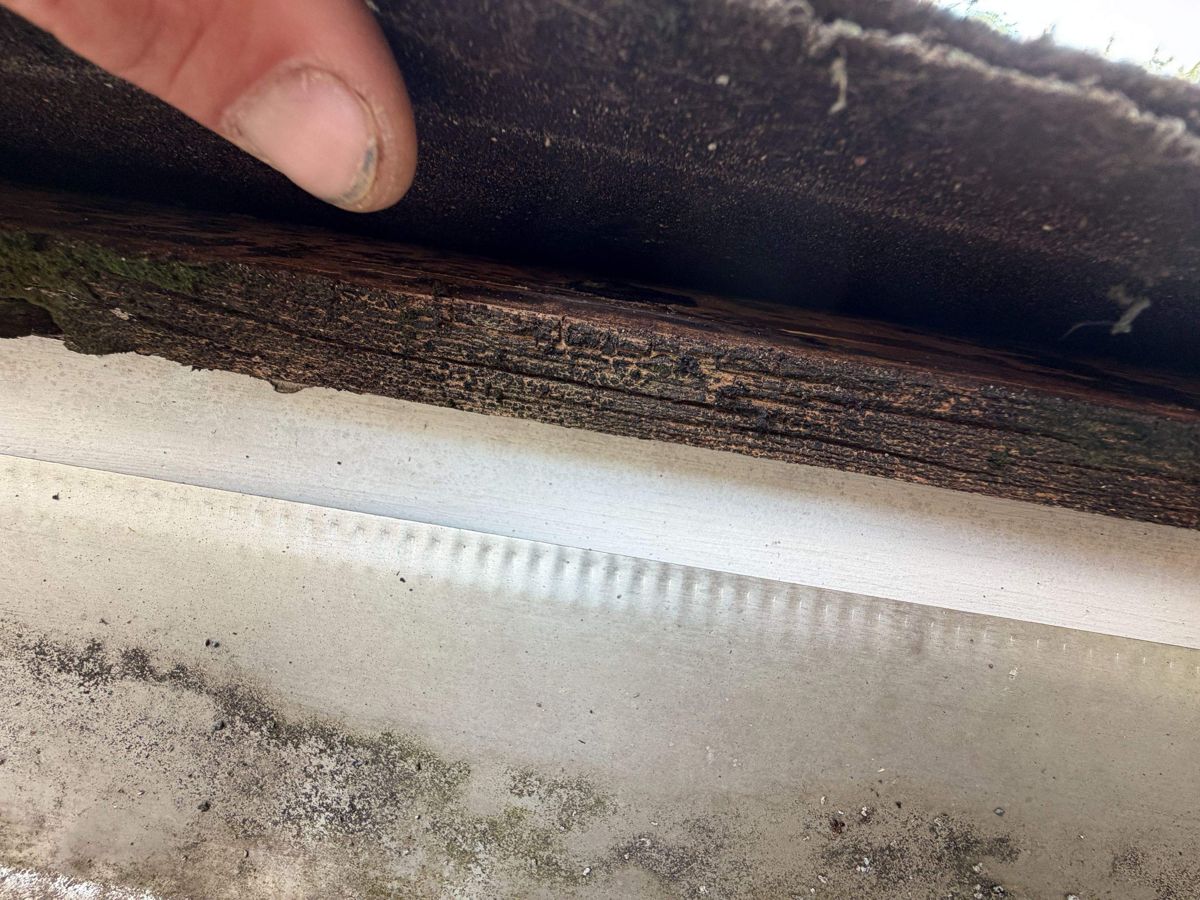
A clogged gutter through one year, photographed on different Central Ohio homes during MATCHWORK™ inspections.
- • Water pouring over the front of the gutter in a hard rain
- • Dark streaks down the face of the gutter or the board behind it
- • Plants, moss or seedlings growing out of the gutter
- • A section that sags, or a gap between the gutter and the house
- • Peeling paint or soft-looking wood on the trim just under the roof edge
- • A downspout that barely runs during a storm
- • Inside: a new ceiling stain near an outside wall
See any of these? The gutter has probably stopped doing its job. Follow the water below to see where it goes instead.
1. It Goes Over the Front, Not Down the Spout
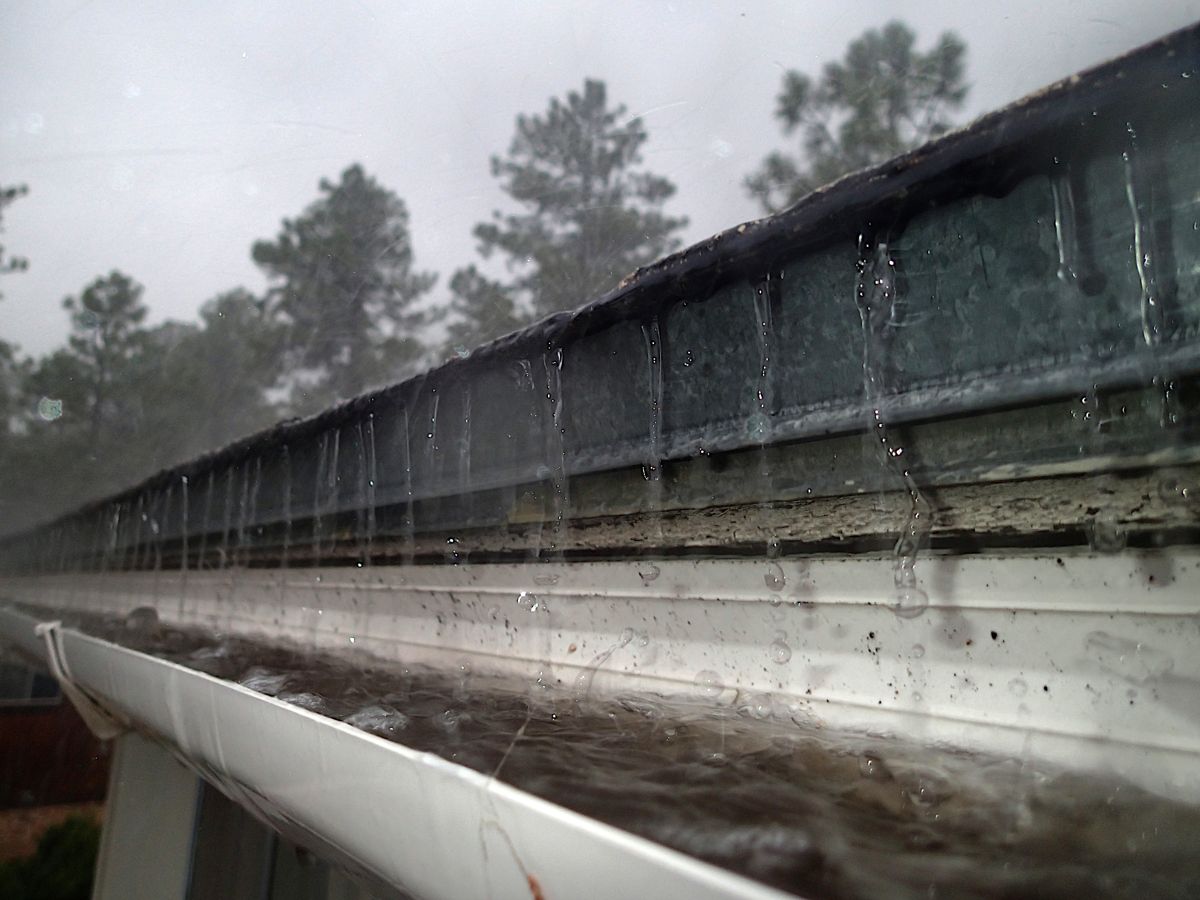
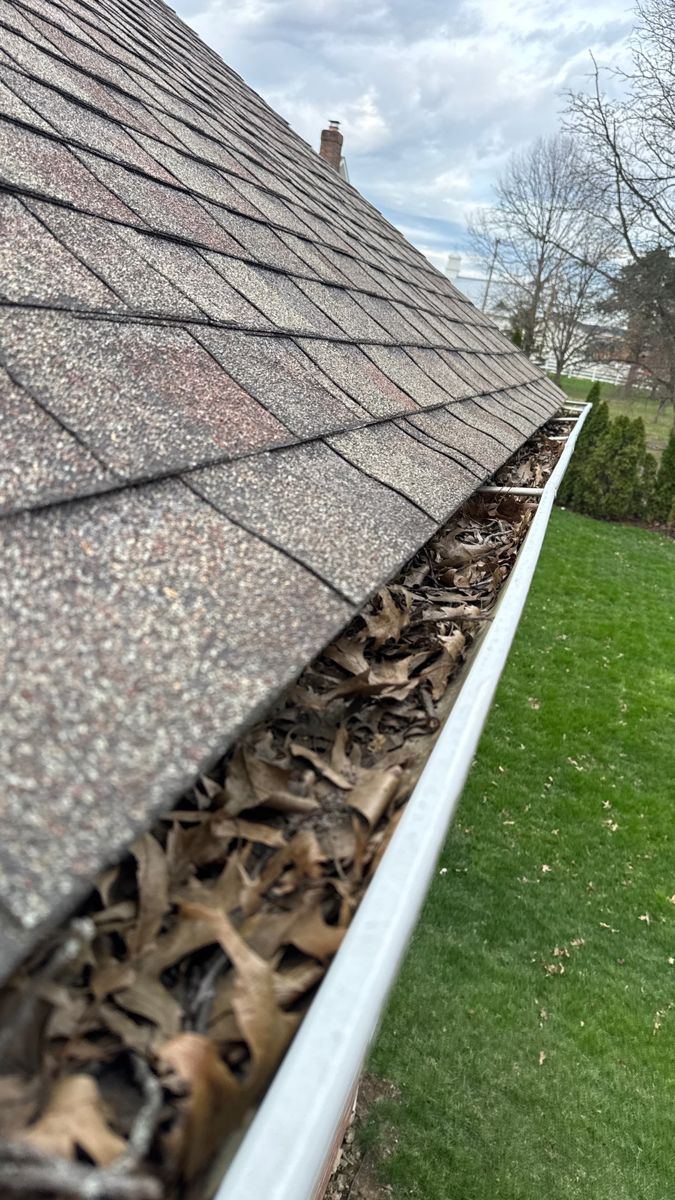
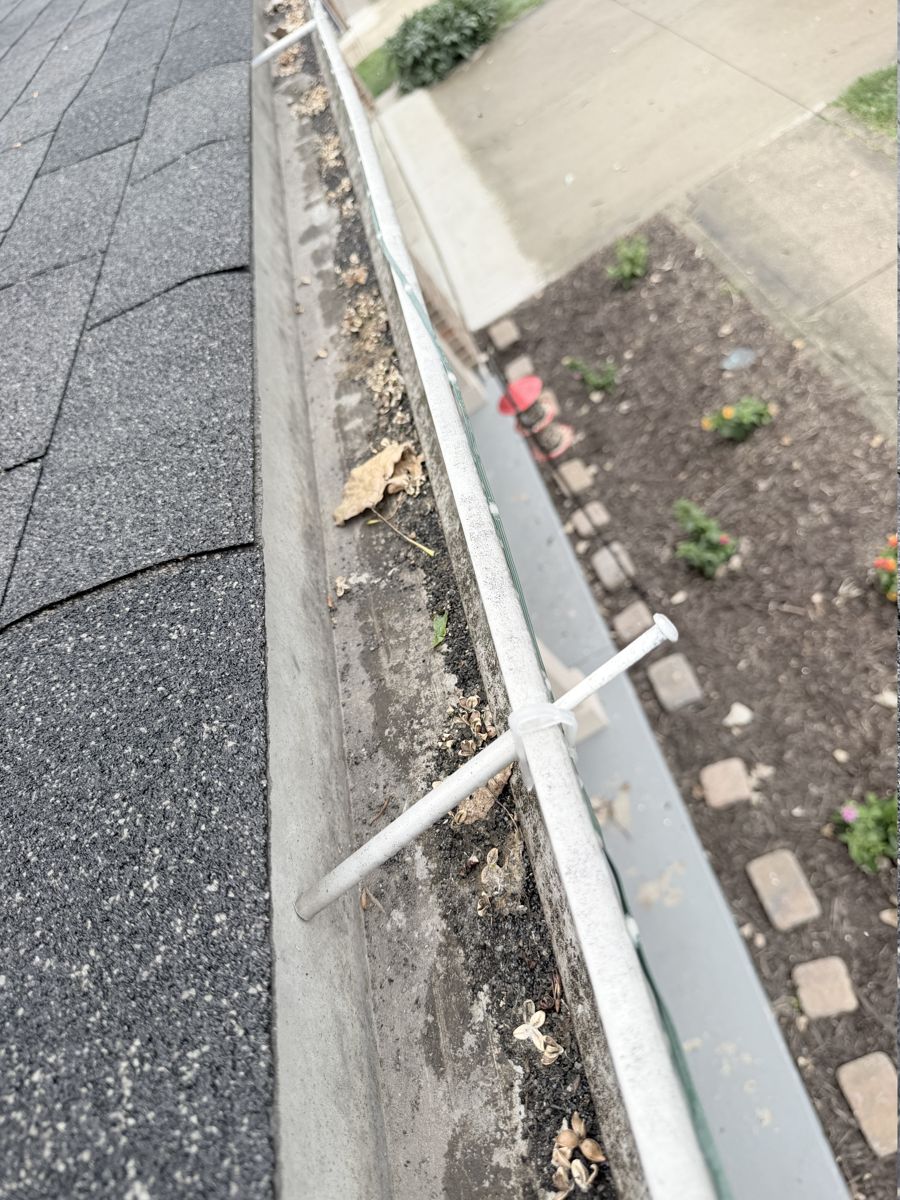
A gutter full of leaves turns into a shallow tray. The leaves soak up the first rain, the rest backs up, and the water spills over wherever the gutter is lowest. InterNACHI, the home inspectors' association, puts it plainly: when a gutter fills with debris, "rainwater will overflow and cascade" down onto everything below the roof edge. That water lands right next to your house instead of at the end of a downspout.
2. The Board Behind the Gutter Rots First
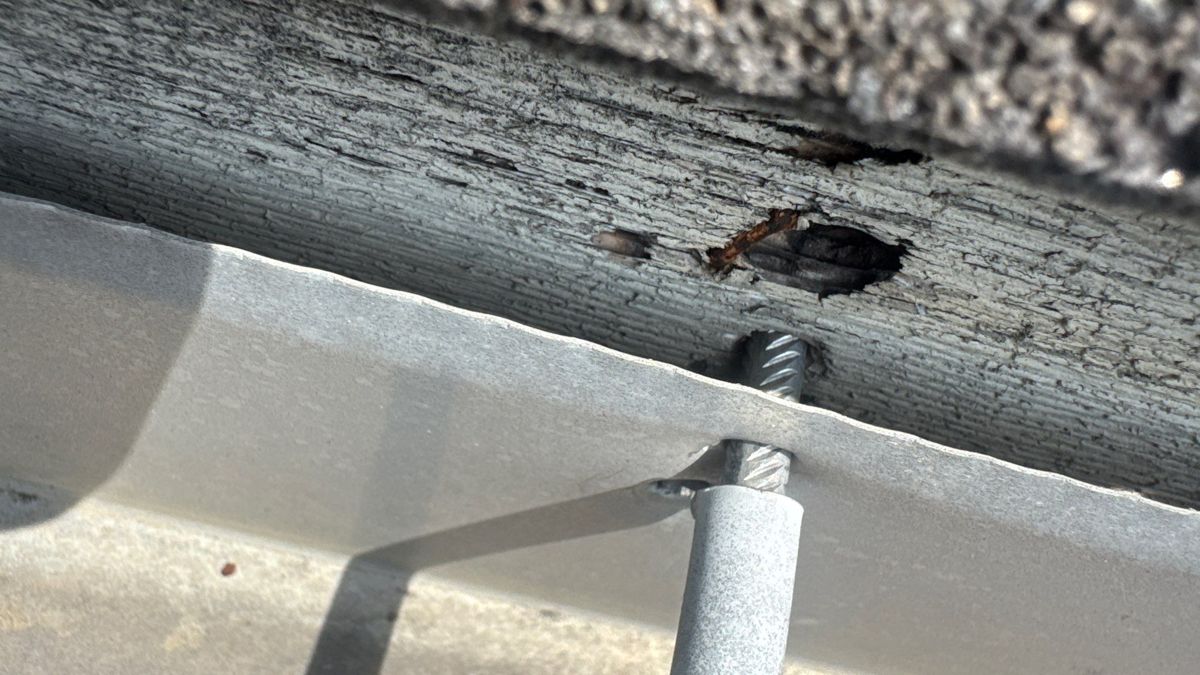
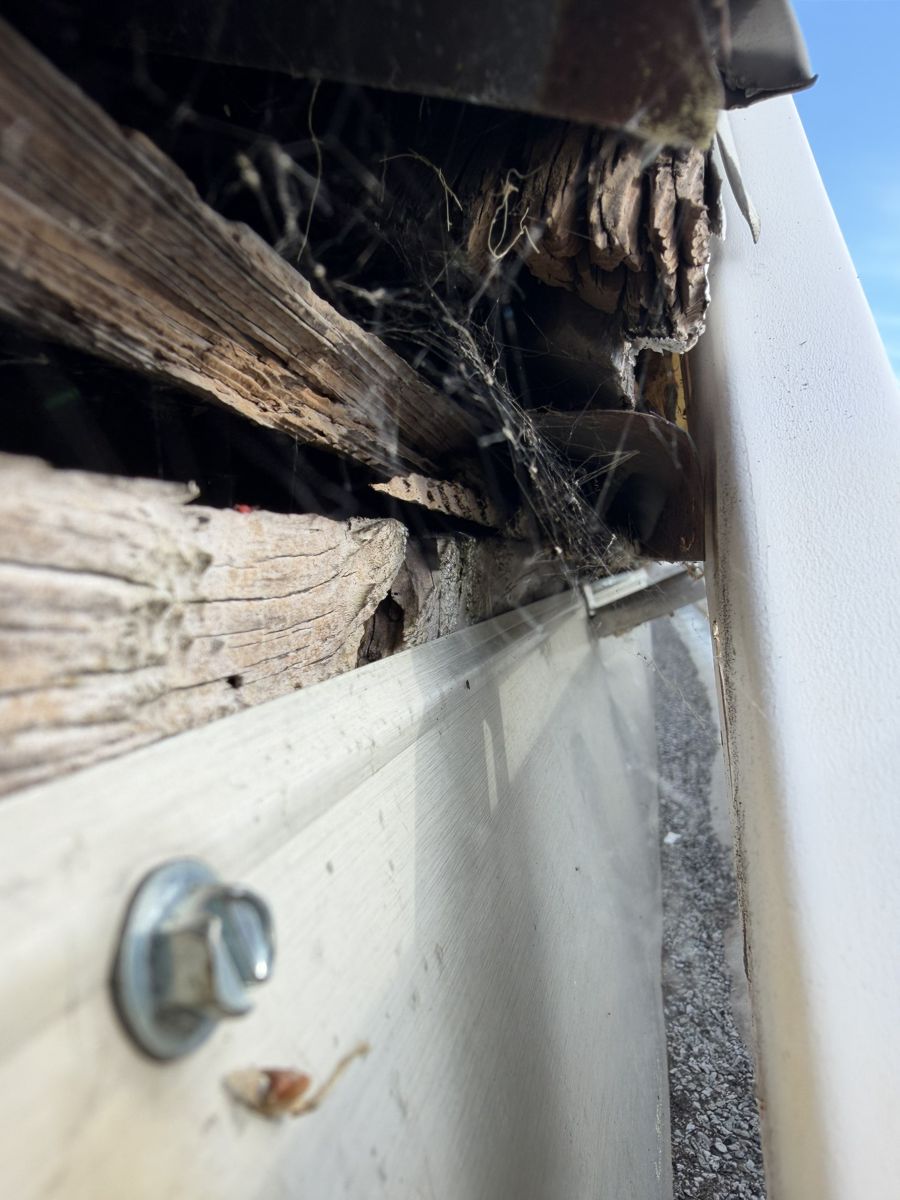
The gutter is fastened to a wood board that runs along the bottom edge of the roof, called the fascia. Gutters that drain properly help keep water off that wood. A clogged one does the opposite: it holds wet leaves and standing water against the board for weeks at a time. The paint lets go, the wood goes soft, and the rot starts behind the gutter, where nobody sees it from the yard.
3. Then It Gets Under the Edge of the Roof
Shingles are nailed to a wood deck. When a full gutter backs water up at the roof edge, that water can work its way onto the deck. CertainTeed, the shingle maker, warns homeowners: "Clogged gutters can push water under shingles, leading to rot, mold, and structural damage." Once the deck edge rots, a gutter cleaning has turned into a roof repair. The shingles come up, the bad wood is cut out and new wood goes in.
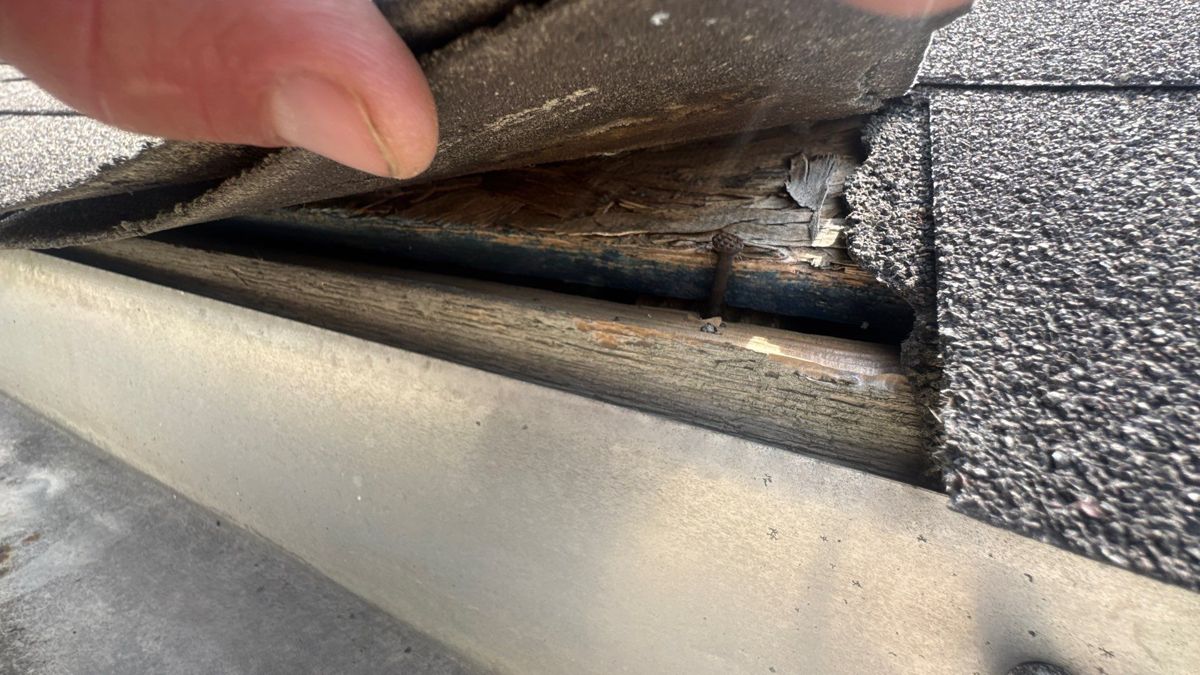
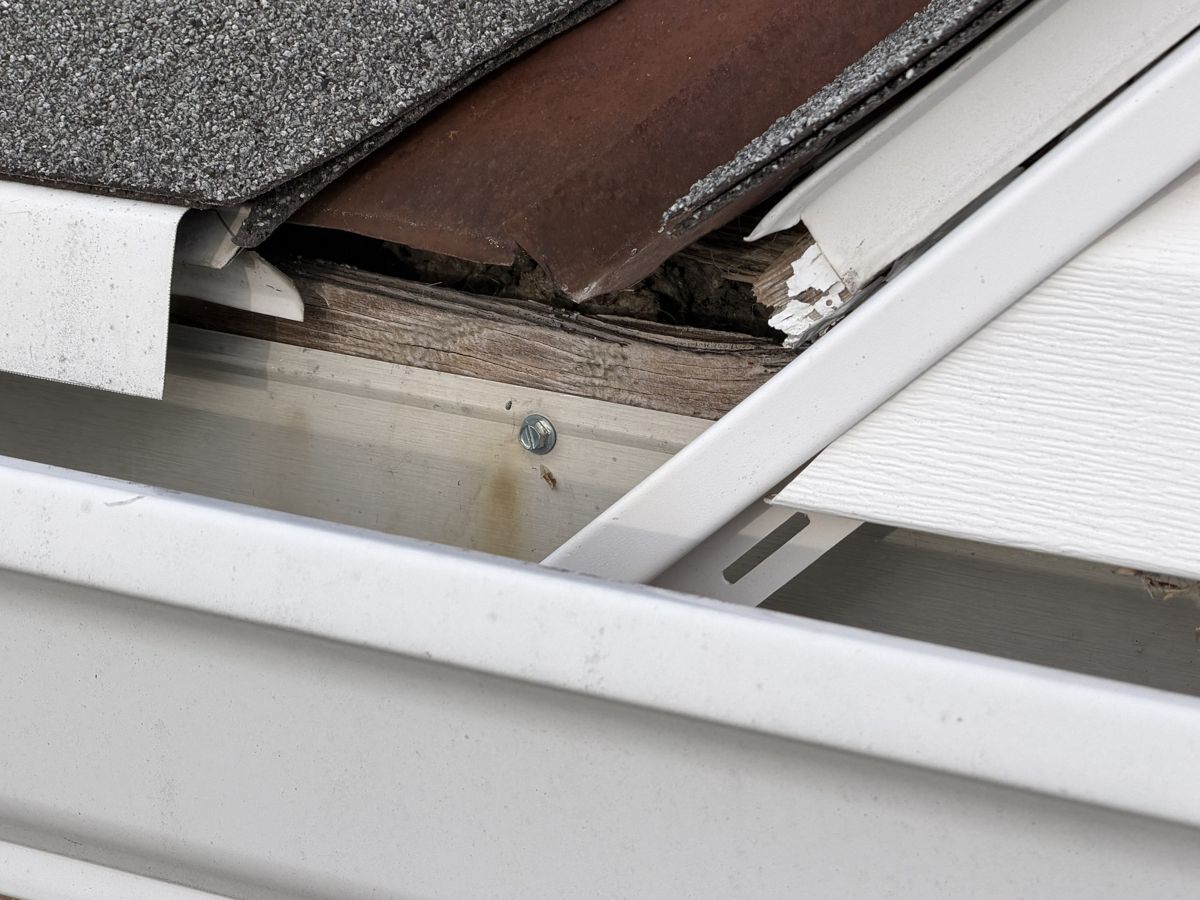
Water that gets in at the roof edge does not always show up there. It can run along the wood and come through a ceiling near an outside wall, often in a room you do not look at closely. By the time the stain shows, the wood above it has usually been wet for a while.
4. The Downspout Plugs, and the Water Lands at Your Foundation
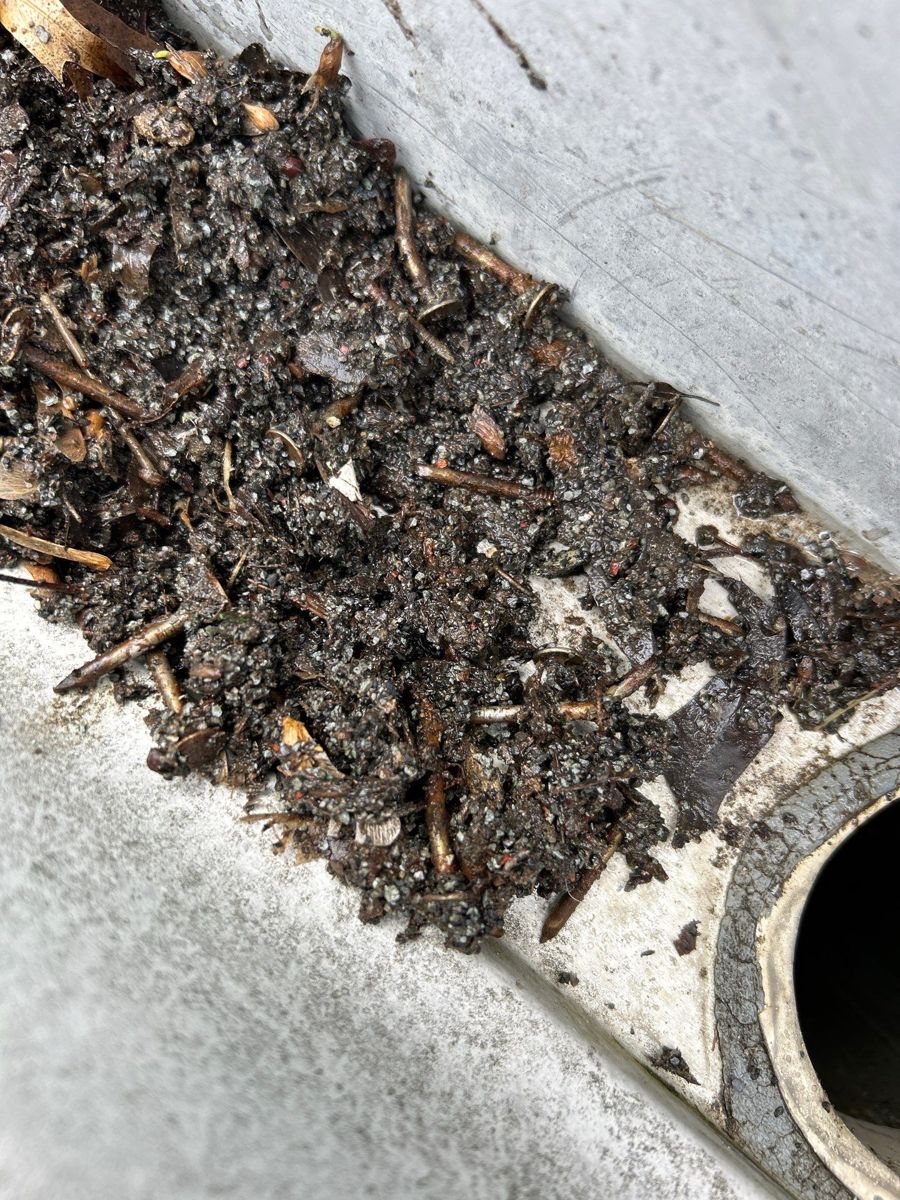
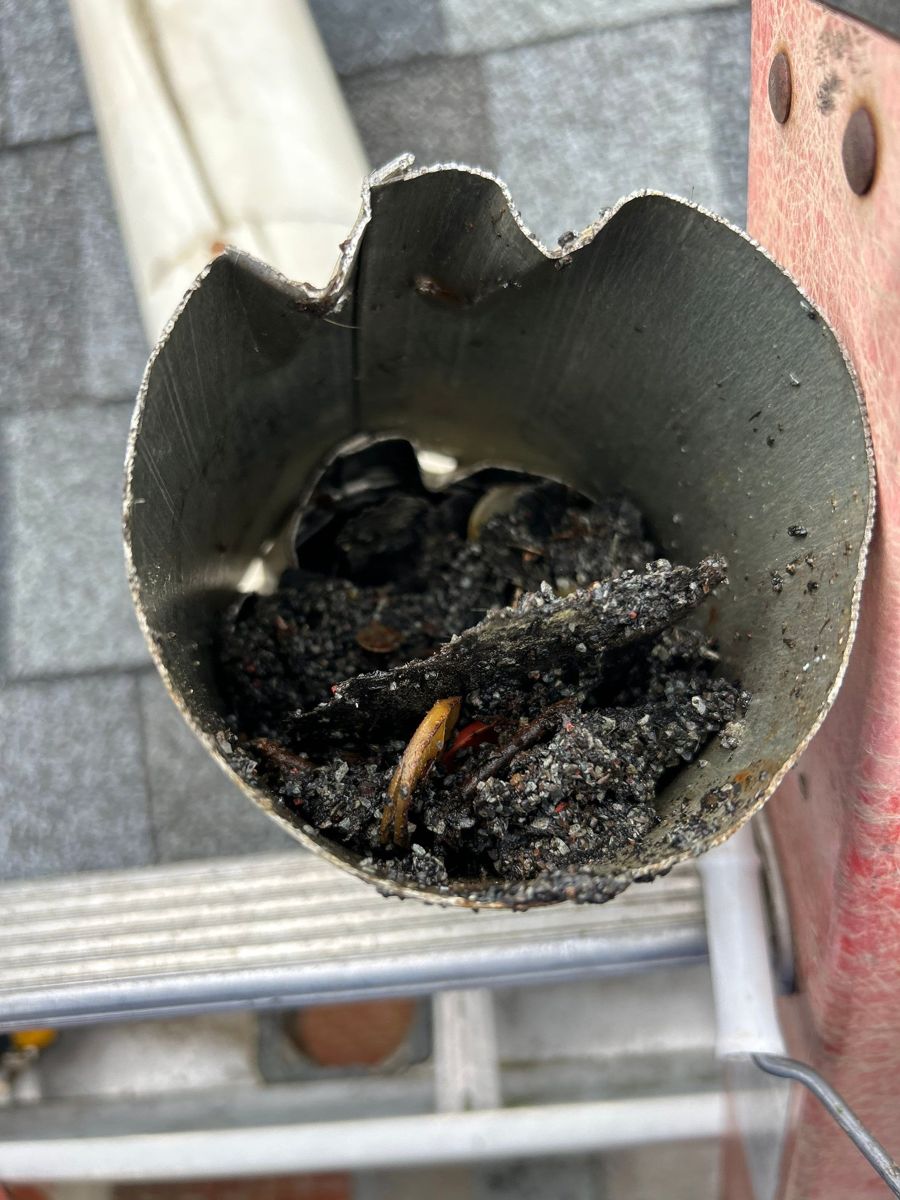
Leaves and roof grit wash toward the downspout and jam at the opening. Once the downspout is plugged, a whole section of roof drains at one or two spots against the house. The University of Georgia Extension notes that leaking gutters and downspouts can damage foundations and "lead to wet basements and crawl spaces." Water pouring at the base of the wall also washes the soil away from the foundation.
5. The Gutter Pulls Away From the House
Wet leaves are heavy, and the gutter hangs on fasteners driven into that same fascia board. If the board is rotting, the fasteners have little to grip. West Virginia University Extension lists gutters "pulling loose from their mountings" among the problems regular maintenance prevents. A gutter that has pulled loose or lost its slope will not drain properly even after it is cleaned.
6. Why an Ohio Winter Makes All of This Worse
Columbus averages about 28 inches of snow a year, and December's normal high and low sit on either side of freezing (NOAA, 1991–2020 normals at the Columbus airport). That back-and-forth is what turns a messy gutter into a damaging one.
- The water stops leaving. In summer, overflow dries out between storms. In winter, the leaves and water in a clogged gutter freeze and sit against the wood for weeks.
- Ice dams. An ice dam is a ridge of ice at the roof edge that "prevents melting snow (water) from draining," as the University of Minnesota Extension describes it. Water held behind it can get under shingles and stain the ceiling inside.
- The honest part. Clogged gutters do not cause every ice dam. Heat escaping from the attic is usually the main driver, and the National Roofing Contractors Association notes ice dams can form on roofs with no gutters at all. A clean gutter still gives meltwater a way off the roof instead of a place to refreeze.
- Weight and split seams. Ice on top of wet leaves adds load to a gutter hanging from spikes. Debris that freezes inside a downspout can split its seams.
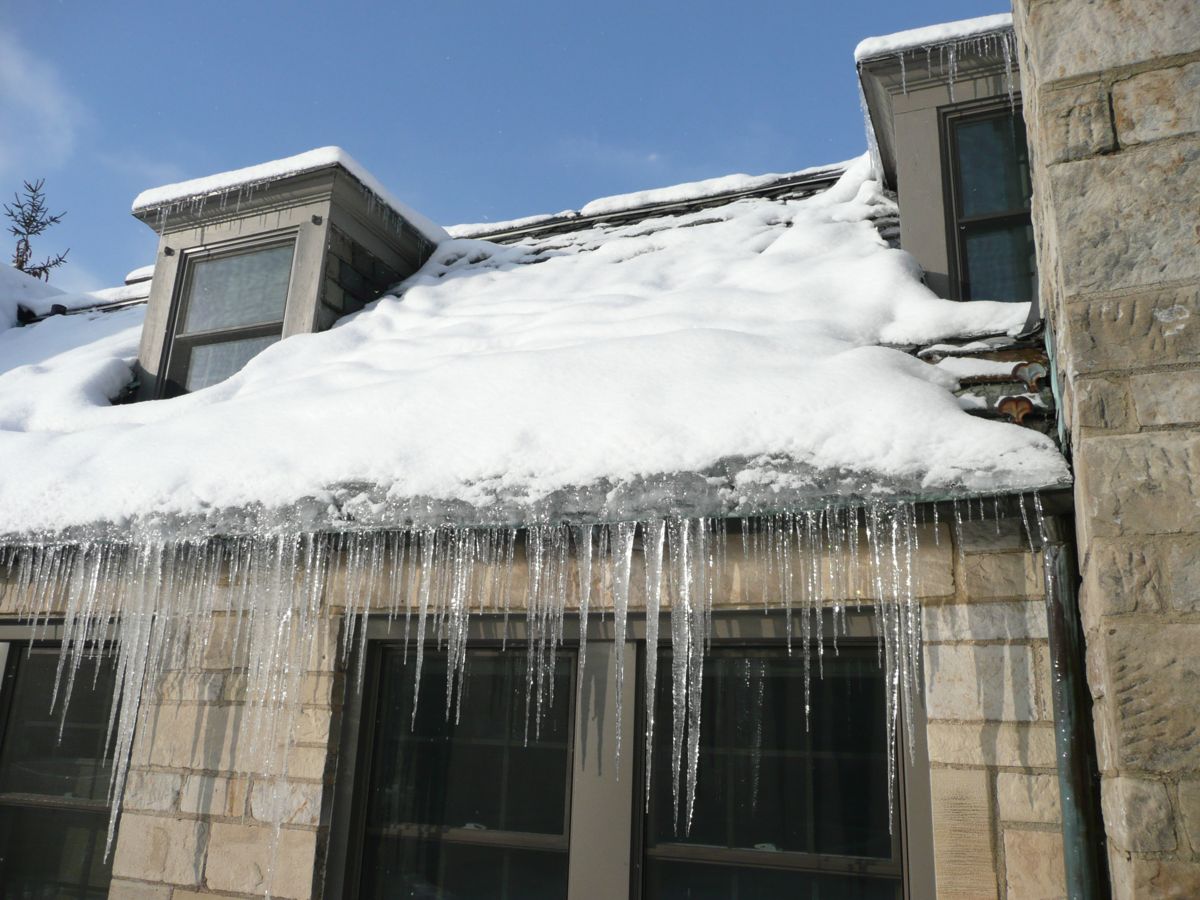
If ice dams are a yearly problem at your house, the attic is worth a look too. See Roof Ventilation and Attic Moisture: Why Intake and Exhaust Have to Balance.
7. What Else Turns Up in a Gutter
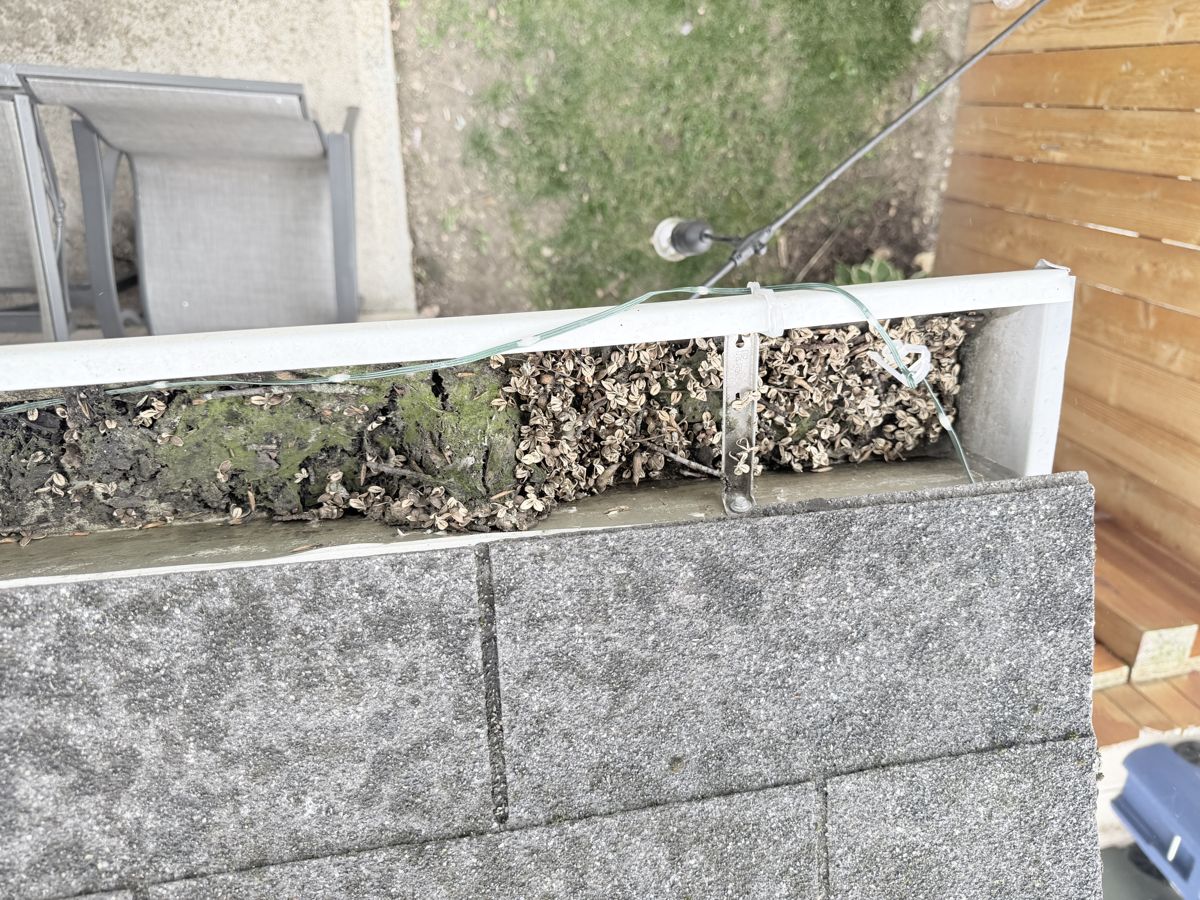
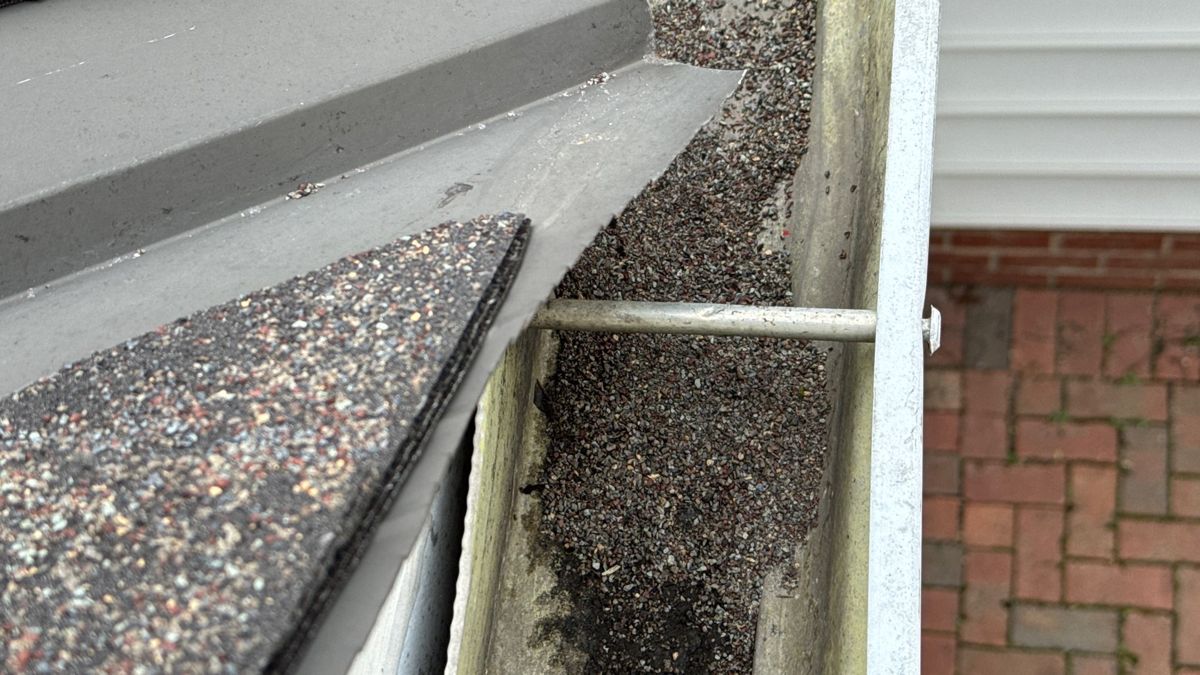
A gutter left alone long enough becomes a planter. Moss and seedlings hold even more water against the house. The gutter can also tell you something about the roof. The coarse grit in the bottom is the granule coating off the shingles. A little is normal as a roof ages. A lot of it is a reason to look at the shingles closely, which is why every cleaning comes with a roof inspection.
8. Why Fall, and Why Now
CertainTeed recommends inspecting and cleaning gutters twice a year, in spring and fall. Late fall, after most of the leaves are down, is the one that matters most here. Once the gutters are frozen they cannot be cleaned safely, and once there is snow on the roof nobody can see the roof edge. Fall is the last easy chance in the year to find a problem while it is still small.
That is why MATCHWORK™ Roofing & Exteriors is offering free gutter cleaning with a roof inspection. We clear the leaves and debris and check that the downspouts run. We look over the roof for the things you cannot see from the ground: loose shingles, damaged flashing, the deck edge and the wood behind the gutters. You get photos of everything we find, like the ones in this guide. If a repair is needed, you get a written scope and price before you decide anything.
Sources: InterNACHI, Grading and Drainage: Gutters and Maintenance; CertainTeed, Fall Roof Readiness and Rain Ready Roofs; University of Georgia Extension, Leaky Gutters and Downspouts; West Virginia University Extension, Gutter Safety; University of Minnesota Extension, Dealing With and Preventing Ice Dams; NRCA, Resources; NOAA NCEI, 1991–2020 Monthly Normals, Columbus Port Columbus Intl Airport.
Related guides
Did Any of This Look Familiar?
Get free gutter cleaning with a MATCHWORK™ roof inspection. We clear the gutters, check the roof, fascia and downspouts, and show you photos of everything we find, before winter makes it worse.
Request an InspectionOr call (614) 741-1393.